
Get to know the 2026 slate of nominees for the NACAC Board of Trustees. Nominee speeches are now available.
The nominees were asked to record speeches highlighting their professional background, experience and skillset and how they have prepared them for NACAC board service.
The NACAC Nominating Committee is pleased to announce the board-approved slate of nominees for open positions on the NACAC Board of Trustees.
The Nominating Committee reviewed materials from a pool of highly qualified applicants who submitted their names for consideration to serve on the NACAC Board of Trustees. In selecting this final list of nominees who will be voted on by eligible NACAC members, the committee considered their overall career experience, skills, areas of expertise, and leadership experience within the profession.
As nominee materials are shared, please review them carefully and consider each nominee’s career experience and overall commitment to the profession before casting your vote for the future leaders of NACAC when the Annual Member Vote launches this summer. The elected candidates will begin their NACAC Board of Trustees service after NACAC Conference 2026 in Minneapolis, Minnesota.
Please note that Mai Nhia Xiong-Chan has withdrawn from consideration for personal reasons.
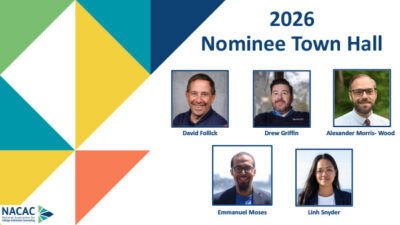
Meet the 2026 Board Trustee Nominees
Trustee Candidates
Three will be elected
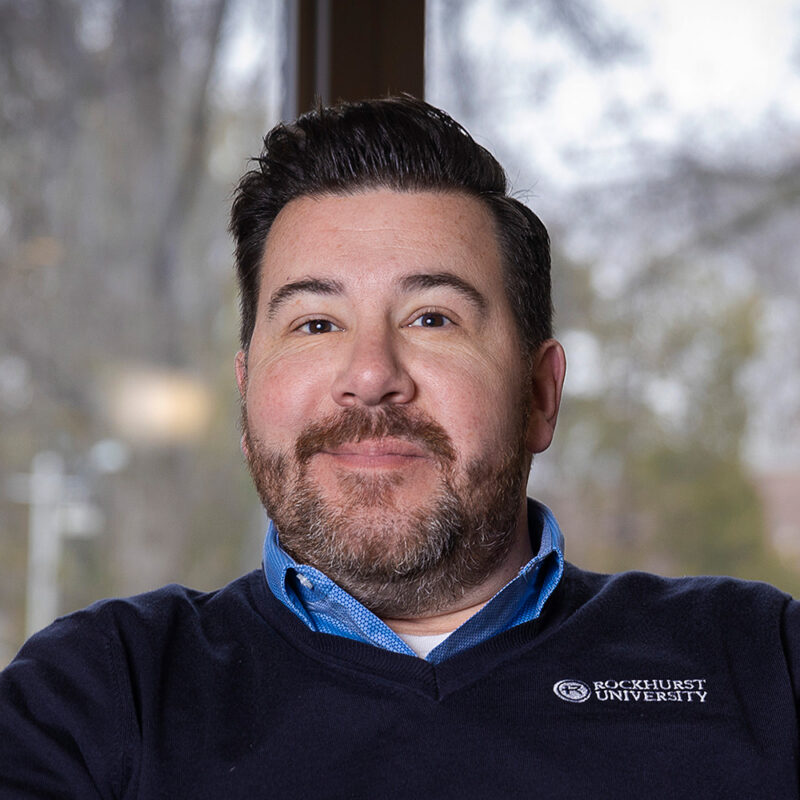

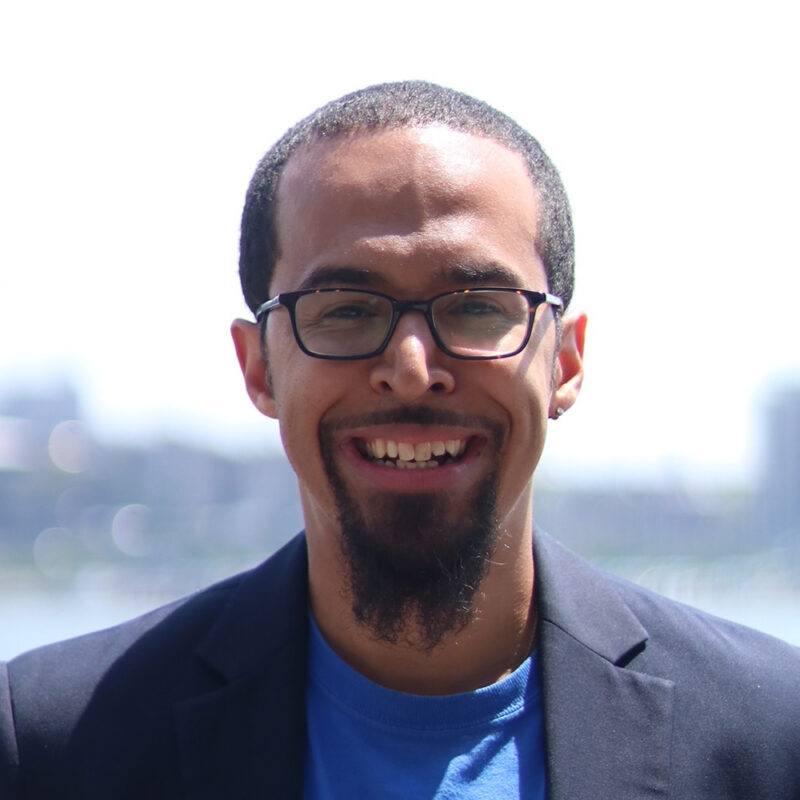
Emmanuel Moses
Senior Director of College Access & Success
The Opportunity Network (NY)
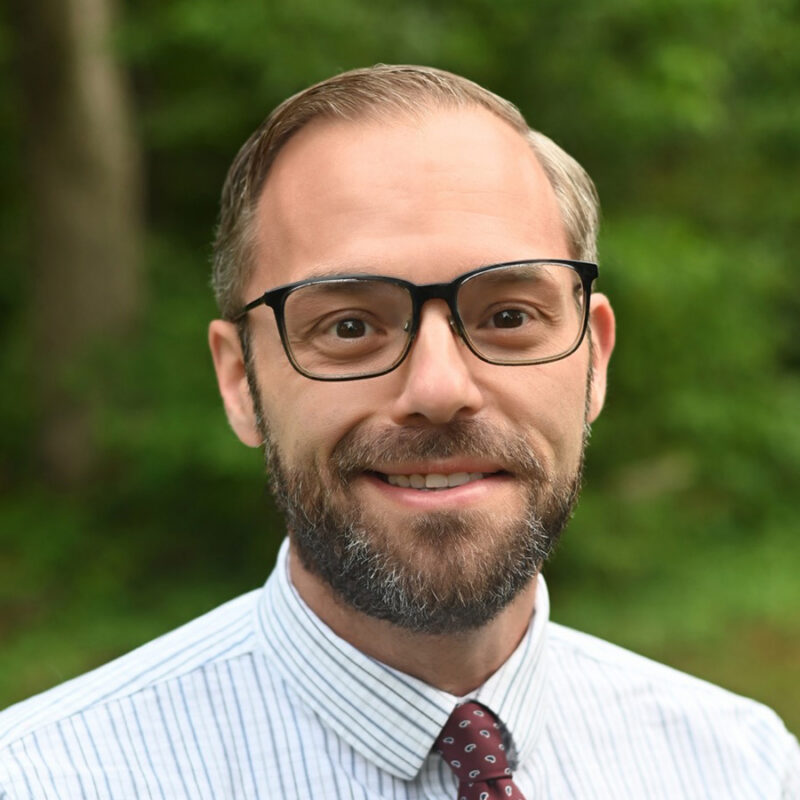
The 2026 annual member vote is governed by the 2026 Campaign Guidelines for NACAC Board of Directors Nominees.
Also see:


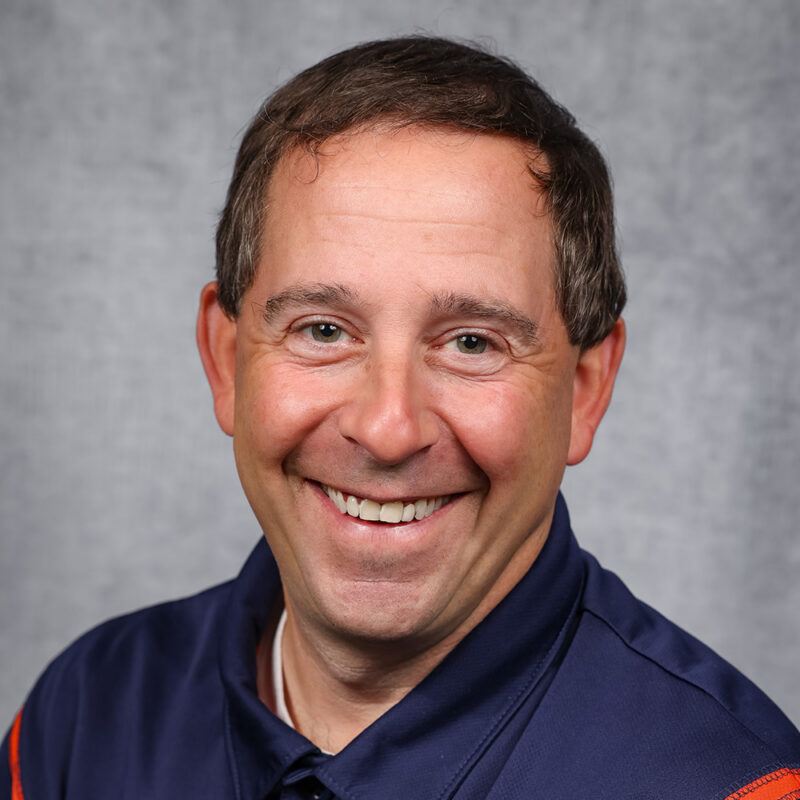
David Follick
Nominee Speech
Written Response
NACAC’s vision — that the power of postsecondary education should be accessible to all — must remain the foundation of our organization’s leadership. As a trustee, I would use this vision not only as a statement of values but also as a practical guide for decision-making, advocacy, and member support.
Recent challenges, including increasing public skepticism about the value of higher education, shifts in admission policies, financial pressures on institutions, and growing concerns about student access and affordability, have created significant strain across the profession. In response, I believe NACAC, along with me if elected, must continue to serve as a strong, unified voice that champions ethical practice, equity, and transparency in the college admission process.
As a trustee, I would prioritize listening to and engaging with members across all sectors of the profession to better understand the challenges they face and identify opportunities for collaboration and innovation. Supporting professional development, sharing best practices, and strengthening mentorship opportunities would help ensure that counselors and admission professionals remain informed, resilient, and student-centered in their work.
I would also advocate for continued communications that highlight the long-term personal, social, and economic value of postsecondary education. NACAC has an important role in helping families and communities understand that higher education is a pathway to opportunity, growth, and civic engagement.
Most importantly, I would work to ensure that NACAC’s decisions consistently reflect its commitment to access and belonging. By leading with integrity, collaboration, and a student-focused perspective, NACAC can navigate current challenges while continuing to positively shape the future of the profession and the students it serves.
Introduction Video
Drew Griffin
Nominee Speech
Written Response
As a trustee, I would lead with the belief that NACAC has both a responsibility and an opportunity to help the profession move forward with empathy, clarity, and purpose. I believe our members need support, honest conversations, and space to adapt to a changing landscape without losing sight of why they entered this work in the first place. NACAC can continue to play an important role in reminding the public that education is still one of the most powerful tools for opportunity, growth, and social mobility.
I believe this moment also calls for discernment and thoughtful discussion. Many of the challenges facing our profession are nuanced, emotional, and deeply personal for students, families, and counselors alike. NACAC can help create space for meaningful dialogue where people may not always agree, but can still listen, learn, and move the profession forward together with integrity and respect.
I think it is important that we broaden the conversation around student success. Not every student’s path looks the same, and that is OK. Whether a student chooses a four-year institution, community college, workforce program, transfer pathway, or graduate education, our role is to help students find the path that is right for them and help them feel seen and supported along the way.
What keeps me optimistic is that I have seen firsthand how education can change the trajectory of a person’s life. That belief continues to drive me. As a trustee, I would work to ensure NACAC remains a trusted, forward-thinking organization that supports professionals while continuing to advocate for students with integrity, compassion, and hope.
Introduction Video
Alexander Morris-Wood
Nominee Speech
Written Response
NACAC’s vision affirms a principle that has guided my work throughout my career: Postsecondary education can transform lives, but only when students can meaningfully access, navigate, and succeed within it. As a trustee, I would use that vision as a guidepost and call to action during a time when higher education faces increasing scrutiny, enrollment pressures, questions about value, and growing concerns about access and belonging.
Throughout my career, I have worked across secondary education, college admission, enrollment management, and student success. As a school leader, college administrator, and advisor to institutions and families, I have seen that access alone is not enough. Students thrive when institutions create pathways that recognize strengths, address barriers, and support long-term success, even as colleges navigate increasingly complex operational and enrollment realities.
As our profession responds to these challenges, NACAC has an opportunity to deepen its commitment to understanding the lived experiences of both students and professionals. Neither group is monolithic. Students arrive at the college transition process with intersecting identities, experiences, strengths, and supports that shape their pathways and outcomes. Likewise, our members bring diverse perspectives informed by the communities they serve and the roles they occupy within the profession. As a trustee, I would advocate for expanded professional development, research, and engagement opportunities that help practitioners better understand these complexities through an intersectional lens.
Throughout my career, I have worked alongside students and families as they navigate some of the most important decisions of their lives, while also leading institutions responsible for enrollment goals, financial sustainability, and organizational growth. I understand the importance of supporting professionals who must balance student-centered decision-making with the operational realities of the institution. NACAC is strongest when it helps bridge those perspectives, ensuring that our commitment to students remains grounded in practices that are both equitable and sustainable.
Introduction Video
Emmanuel Moses
Nominee Speech
Written Response
“The distance between what is said and what is known to be true has become an abyss.” These words, from my favorite former senator, speak to why NACAC’s vision is more important than ever. Almost every aspect of this vision has come under attack in the past several years. While we are committed to ensuring these opportunities are available to all students — first-year, transfer, and returning alike — the question becomes: How do we respond to the refrain that these pursuits aren’t worth it?
Firstly, we must acknowledge that the loudest voice in the room isn’t always the most accurate. Allowing the insights and policies of the “few” to serve as stand-ins for how students should and can be educated deepens that abyss. As a trustee, it would be my responsibility to speak out against these louder voices. I would commit to ensuring that we are lifting up voices that are representative of the larger college-going community, specifically those of practitioners supporting this larger student population and those coming from the public setting.
I would also call for continued transparency in this ever-changing landscape and would commit to pushing forward much of the committee work done thus far — “Admission Practices” or otherwise. Without a shared understanding or language, how can we expect to support our communities equitably? Transparency is the bare minimum; however, to truly fulfill this promise of a transformative education, we must call for the reinstitution of policies, programs, and funding that support our work and our communities.
The amazing advocacy work that is happening, not just at NACAC, but in the regional ACACs, serves as examples of how we can ensure that our students are being equitably supported. It is not simply about equal access to these transformative spaces, but rather the need for equitable support for all students.
Introduction Video
Linh Snyder
Nominee Speech
Written Response
As a public high school college counselor, NACAC’s vision strongly aligns with the work I do every day: ensuring that all students, regardless of background or circumstance, have access to meaningful postsecondary opportunities. Working in a California public school has given me firsthand insight into the challenges facing students, families, and counselors, from rising anxiety around selective admission, to the rise of college tuition and ROI, to inequities in access to counseling support and professionals on campus.
As a NACAC trustee, I would approach these challenges by grounding conversations in equity, transparency, and relationship-building. My experience supporting students through community trauma, including wildfire recovery, has also reinforced the importance of empathy-driven leadership. Students and families cannot fully engage in planning for their futures if they do not feel supported, seen, and emotionally safe. NACAC can continue to lead by recognizing the human side of college access work and supporting counselors who are navigating increasing caseloads, mental and social health concerns, and transfer and career pathways.
I would also focus on helping NACAC strengthen the visibility and understanding of the counselor’s role in today’s educational landscape, particularly public school counselors serving under-resourced communities. By elevating counselor voices, strengthening collaboration between K-12 and higher education, and keeping students’ well-being at the center of our work, NACAC can continue to shape a profession that values meaningful guidance and postsecondary access.
Introduction Video