
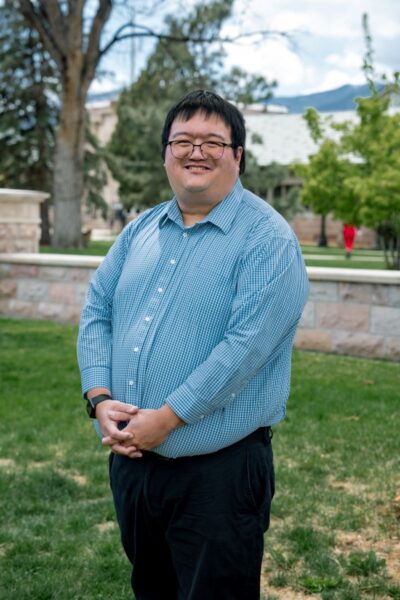
 Edward Truong
Senior Associate Director of Admission, Marketing & Communications
Colorado College
What drew you to the world of college admission counseling?
As a college sophomore, I applied for a work-study job in my alma mater’s admission office, lured by the promise of a coveted on-campus parking permit. I didn’t realize then that I’d be doing, in some form, the same work full-time years later: visiting high schools, engaging with students, and helping them see the full scope of what’s possible in higher education. As a first-gen college student, the work resonated deeply as I recognized I was doing the kind of work I wish someone had done for me.
At the time, I thought I’d eventually leave admission to pursue a Ph.D. in education policy. I wasn’t convinced this profession could offer the kind of long-term impact I wanted to have. But I’ve stayed because I realized how dynamic and strategic this work can be and that I could help shape not just how we recruit and evaluate students, but why. I’ve had the chance to work for institutions that are values-driven, that trust their staff to lead, and that genuinely listen when we push to center student voices. That kind of alignment, plus the day-to-day variety found in the admission profession, has kept me in the work longer than I ever expected.
What is your favorite part of the job?
I’ll always romanticize recruitment travel. It’s not glamorous. The early mornings, traffic, logistical chaos, and time away from home can wear you down, but it’s still one of the parts of the job I look forward to most. There’s something grounding about meeting students in their own environments: seeing where they come from, walking through their schools, hearing directly from them and their families. It reminds me that our work is about people, not just applications.
Some of the most meaningful interactions I’ve had in this profession were in hallway conversations, in a crowded gym during a college fair, or during chance chats in a parking lot. You never really know what moment might stick with a student, or what encouragement might be the nudge they needed. That unpredictability, and that chance to connect on a human level, is what keeps me going.
How has NACAC played a role in your career?
Engaging with NACAC and feeling part of a broader professional community felt out of reach when I started in admission. As a new admission counselor, I felt like I didn’t have many professional development opportunities, and without the ability to attend a conference, I assumed there wasn’t a way to get involved. That experience, which isn’t unique, raises a bigger question about who gets access to growth and visibility in our field.
Once I reached a point in my career where I could attend the annual conference, I was eager to connect with colleagues doing important and often overlooked work. Joining the Asian American, Native Hawaiian & Pacific Islander SIG has helped me tie my identity more deeply to my professional life. Being in community with others in college admission has given me a real sense of belonging and reminded me how this field, while broad, can also feel deeply personal and connected.
Over time, I’ve learned that NACAC isn’t just about showing up, it’s about contributing. I’ve reviewed conference proposals and served on two committees, including most recently the Ad Hoc Committee on Transparency in College Admission, which aligns with my belief that our profession must be clearer, braver, and more accountable in how we serve students. I might not have had the confidence to take on that kind of work earlier in my career, but now that I’ve benefited from this community, I feel compelled to help shape it for others.
What do you think is the biggest challenge facing our profession today?
Higher education’s vulnerabilities have been exploited over the past few years, and now things feel like they’ve hit a boiling point. There are always new challenges that emerge and feel existential, but this moment is different. Partisan political actions are actively threatening academic freedom, free expression, DEI, access to affordable education, global engagement, and critical research. It’s scary. And honestly, it’s hard not to feel discouraged.
At the same time, we must face the fact that we haven’t always done a good job making the case for higher ed as a public good. That loss of public trust didn’t happen overnight — and it’s part of what’s made our work in college admission so much harder. If we want to rebuild that trust, we need to be louder, clearer, and more unapologetic about why this work matters and who we’re here to serve.
When you aren’t working, what do you like to do?
I am deeply passionate about going to the theater, both live and film. There’s nothing quite like the shared experience of sitting in a dark, air-conditioned space with your fellow audience members and watching a story unfold.
Additionally, I enjoy getting a good deal while shopping, traveling, trying viral restaurants, and playing Pokémon Go. I’ve even connected with a few of my fellow NACAC members through the app!
If you could be any fictional character, who would it be and why?
Any character in the 2000s WB series “Gilmore Girls” — I’m not picky, I just think it’d be lovely to live in Stars Hollow, Connecticut.
Published July 14, 2025