
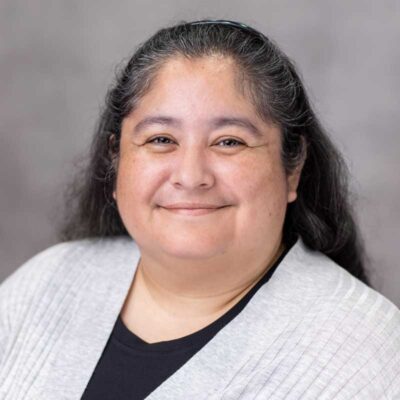
 Dr. Maritza Cha
Adjunct Professor and School Counselor
University of La Verne (CA) and Alhambra Unified School District (CA)
What drew you to the world of college admission counseling?
I grew up as a first-generation Latina student in East Los Angeles. When I was in high school, we had 5,000 students and only one college counselor. Our school counselors were overwhelmed with high student-to-counselor ratios and, since I was a good student, I rarely saw my school counselor. By luck, late in 11th grade, I met my high school’s college counselor and became a college center peer adviser my senior year, which allowed me to get one-on-one support in the application process from my school’s college adviser. When I went on to undergrad, I realized that this was not the experience everyone had. I wanted to be part of changing that and providing high-quality college information to students, no matter their background.
What is your favorite part of the job?
One of my favorite aspects of my job is providing support to students who may otherwise feel that college is unattainable. As a first-generation student myself, I understand the self-doubt that might come with deciding if college is for you. For some, it may not be, but for others, it may just be fear stopping them. I want students to make informed decisions, not decisions based on fear.
How has NACAC played a role in your career?
NACAC is a premier association, and I have had the honor to interact with its regional affiliate (WACAC), which has provided me invaluable resources since I started as an educator and as a school counselor. College counseling has always been a passion of mine. This passion served me well when I was a teacher at a pilot school in Los Angeles, taking on the extra role of being a college adviser. I appreciated getting a scholarship to attend my first NACAC conference, where I got to meet and spend some time with Edward Fiske. I continue to be a member of NACAC because, now more than ever, this is a community where I can get the latest information on policy changes to better serve my students. I appreciated being part of the 2025 Guiding the Way to Impact faculty, as it provided me an opportunity to interact with like-minded individuals.
What do you think is the biggest challenge facing our profession today?
I think the biggest challenge facing our profession today, speaking from the K-12 side, is navigating higher education’s response to rapidly changing federal policies, and, frankly, whether BIPOC and LGBTQIA students, in particular, will feel safe at their campuses once they arrive. In general, summer melt is a real thing, and, with the current socio-political climate, more students, especially from our most vulnerable populations, may question if college is for them. Part of the solution is for members of organizations to speak up to hold them accountable and to ensure they are meeting their members’ needs.
When you aren’t working, what do you like to do?
When I am not working, I like spending time with my dogs, traveling with my husband, and attending concerts or sporting events. I am a college counseling nerd, so in my free time, I attend/present at conferences or write book chapters. I like keeping up to date on the latest research and trying to figure out how to bridge it in practical terms to practitioners in the field. Lastly, the people who know me the best would say I advocate for our counseling profession in as many spaces as I can, even in my spare time.
What five words would you use to describe yourself?
Advocate. Passionate. Educator. Learner. Dedicated.
Published Aug. 25, 2025